
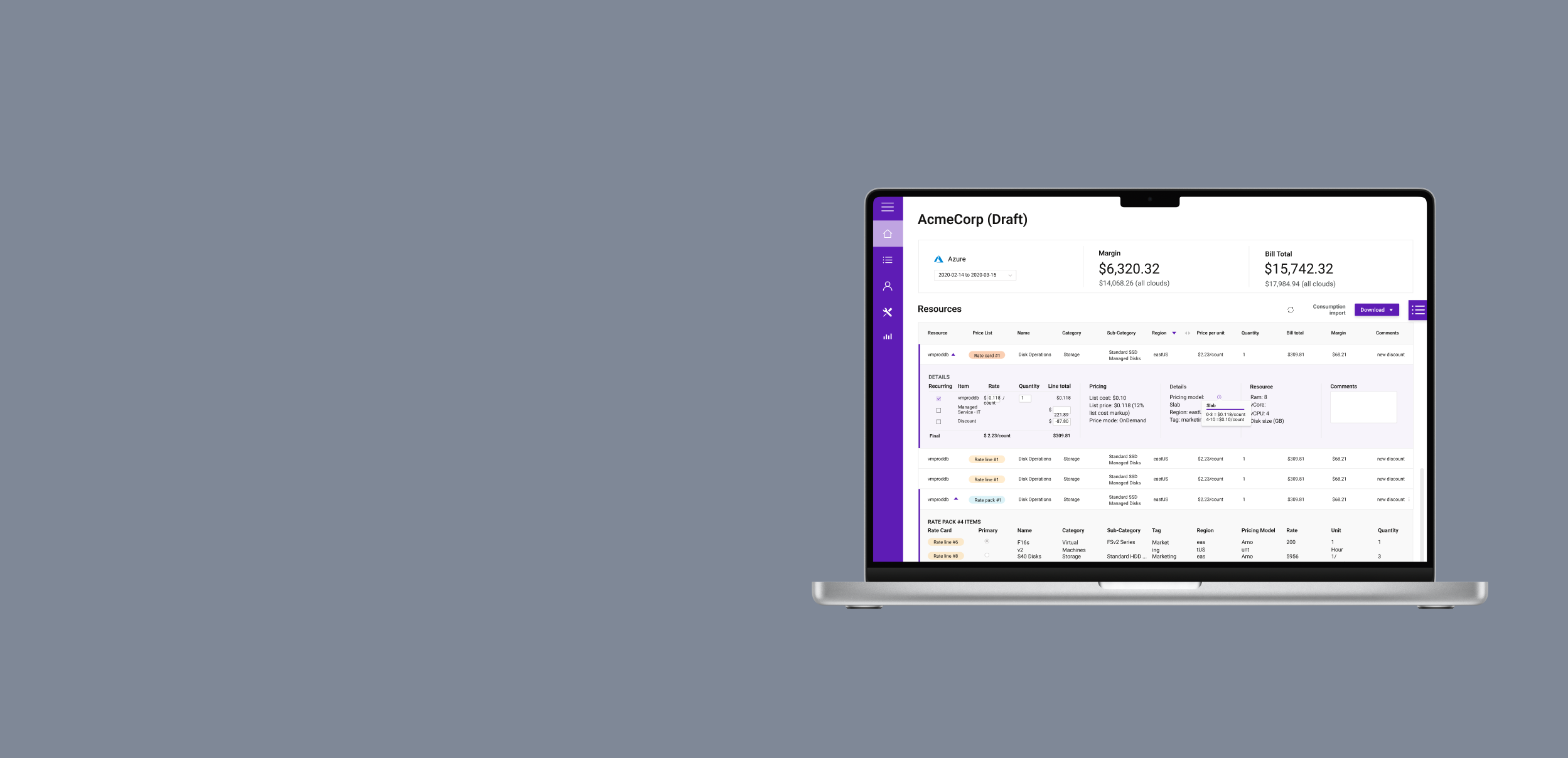

Removing billing complexity for Cloud Service Providers
PRODUCT DESIGN | WEB | B2B SAAS PLATFORM
PROJECT OVERVIEW
METHODS
Information Architecture
Rapid Prototyping
Material Design
TEAM
2 Product Designers
Chief Product Officer
Head of Engineering
Lead Architect
TIMELINE
8 Weeks
(Apr - May 2020)
CHALLENGE
Aquila Clouds needed to simplify the bill creation process for Cloud Service Providers (CSP) in hopes of securing a deal with a major player in Managed Cloud Services in the Asia-Pacific region.
RESULTS
End-to-end re-design (login, onboarding environment, user management, customer settings, and review bill screens)
Developed October 2020
PROBLEM
An unwieldy workflow preventing customer buy-in
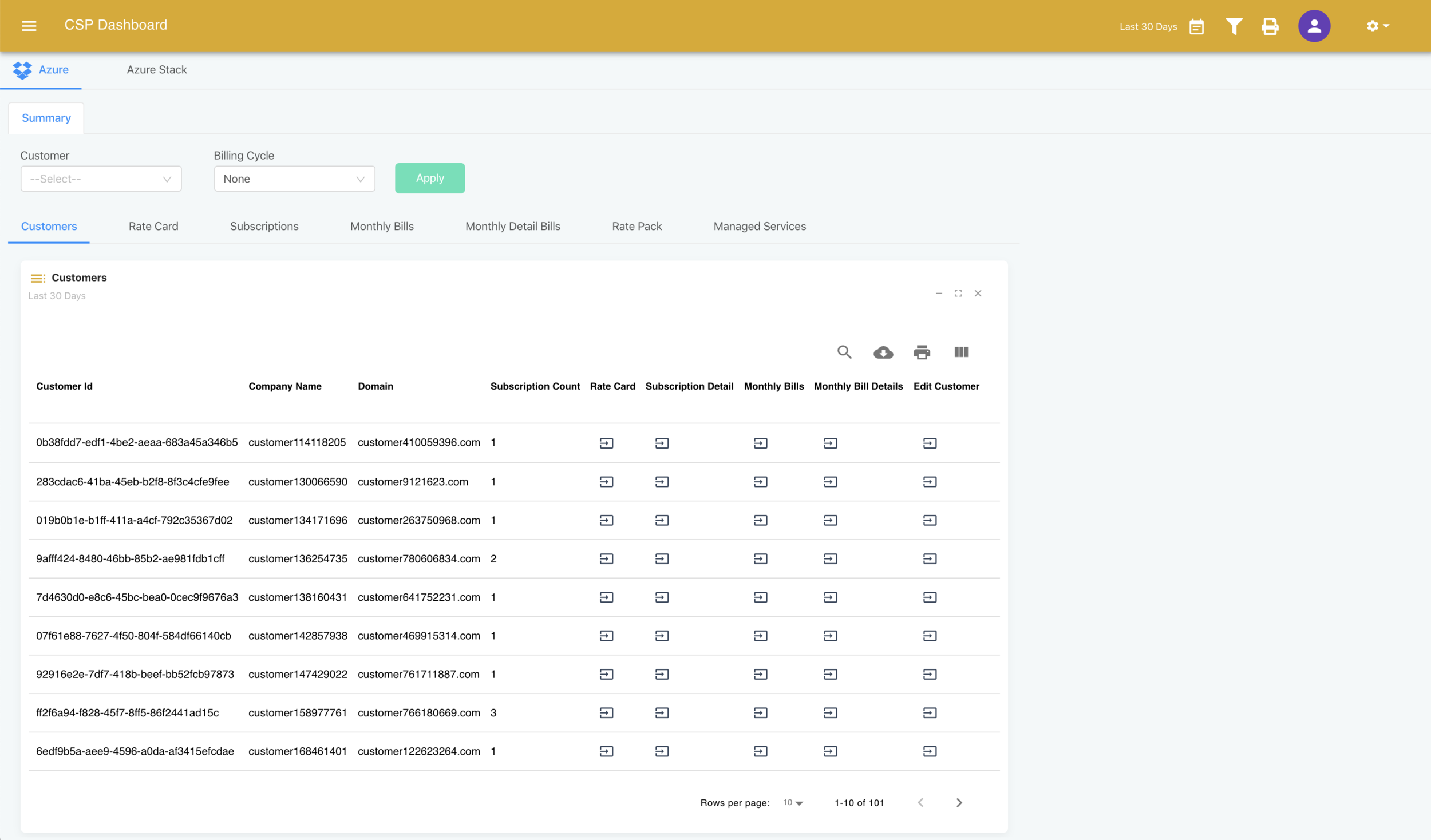
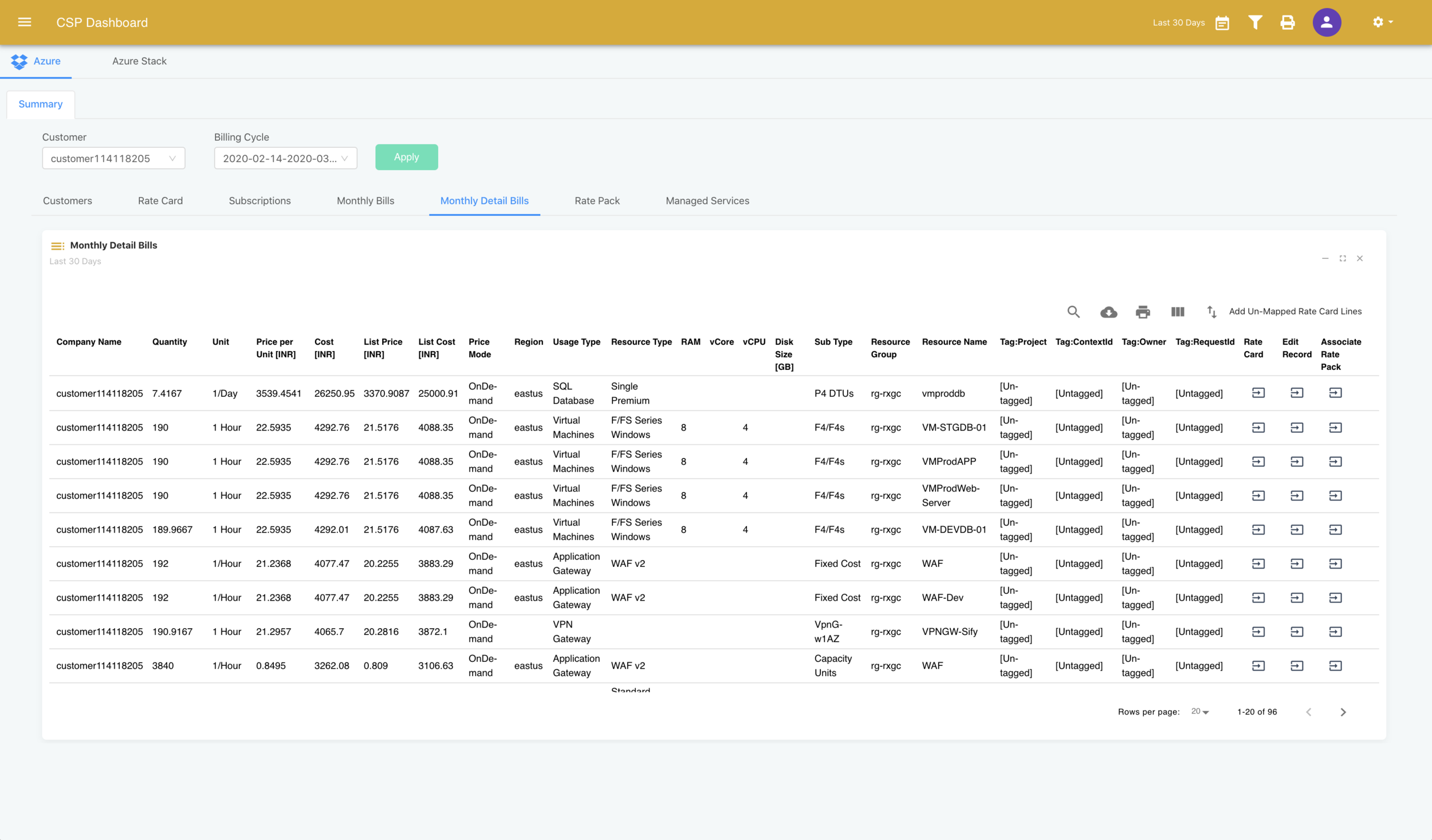
While the existing product had all the functionalities needed for a CSP Administrator, its confusing interface prevented customers from signing on to the product. Common issues across screens included “filler data” within data tables, columns without logical order, and a lack of visual indicators to alert the user on important information.
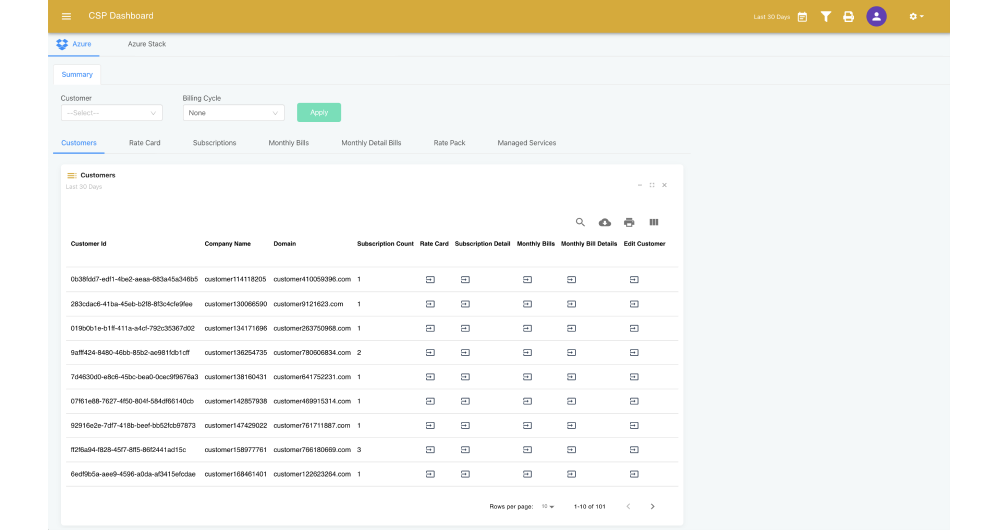
Before - Overview of Bills
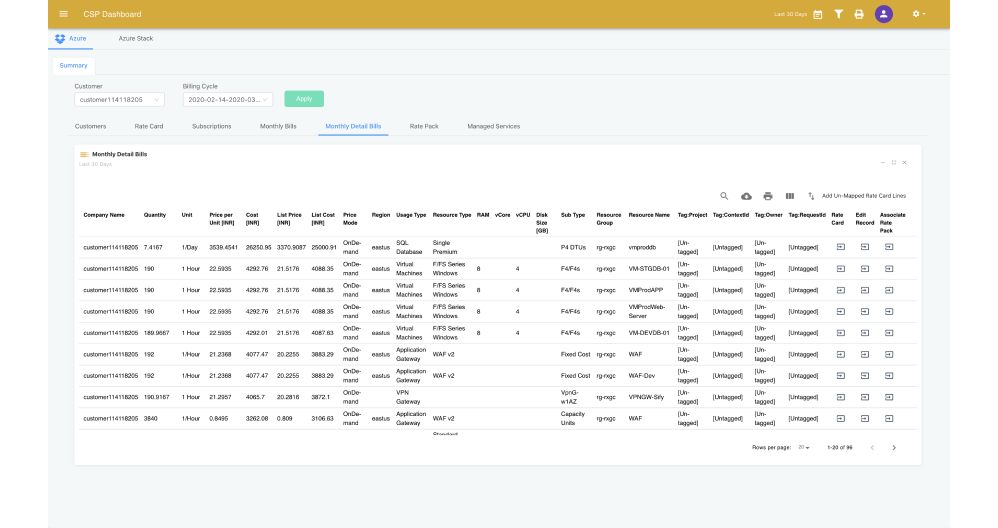
Before - Editing a Bill
Before - Editing and Applying Rate Pack
CONTEXT
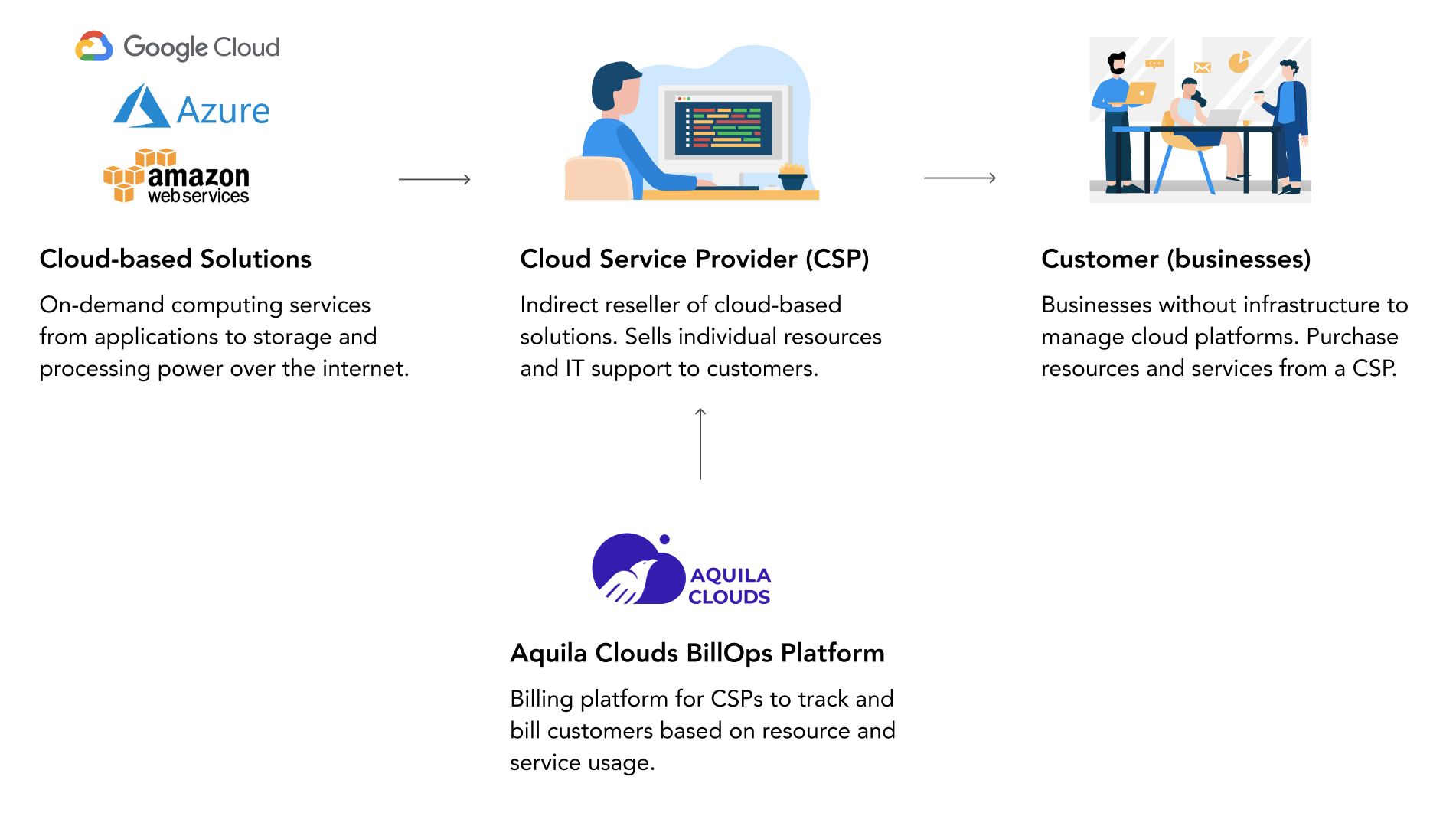
CSP BillOps Analysts must correctly apply different pricing models to each bill item
It was our job to simplify and improve the process of applying pricing models so that CSP Administrators bill the customer correctly. But first, we needed to answer: what business are we in?
ITERATIONS
As the Aquila Clouds team is international, we held weekly remote meetings with the Chief Product Officer, Head of Engineering, Lead Architect, and developers. The leadership team would relay new information about the potential customer’s product requirements. While I was able to advocate for usability and keep some features the same, I worked with the engineers to adjust to new requirements and churn out new designs each week.
Example Feature: Creating and Applying a Rate Pack
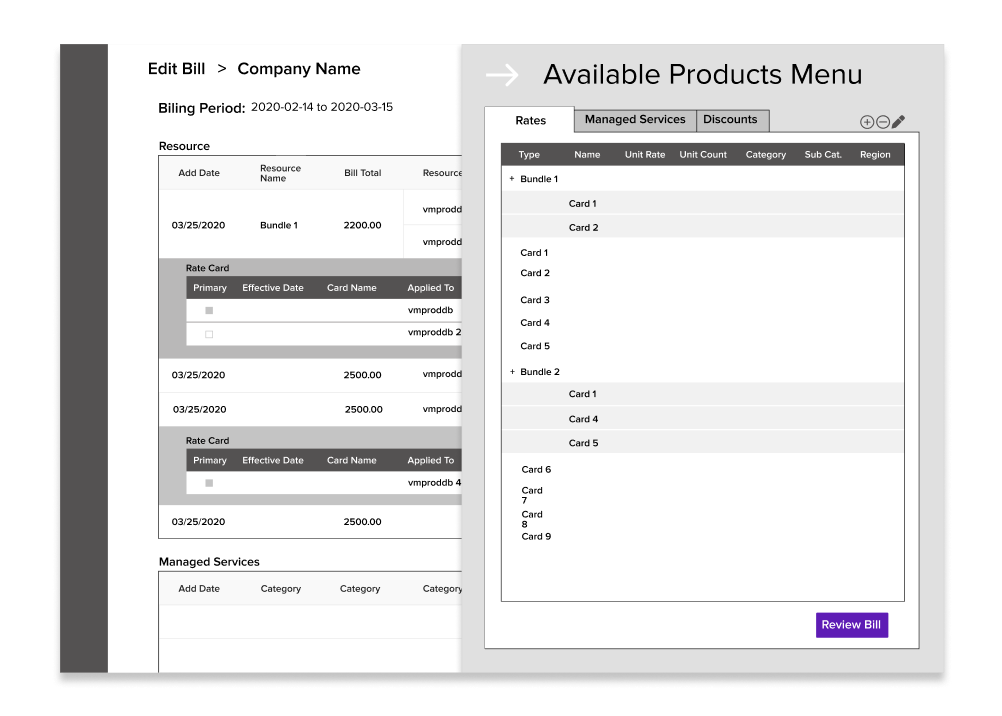
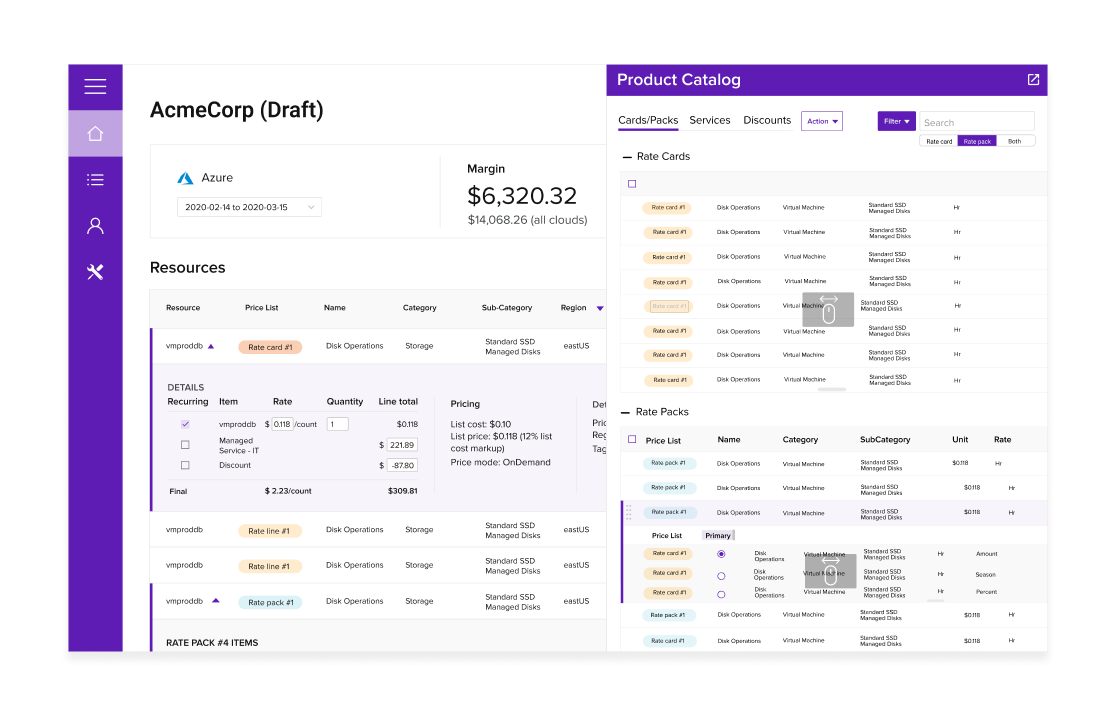
Rate Lines are essentially prices for a resource based on consumption. A Rate Pack is a bundle of Rate Lines that are frequently used by a customer or group of customers.
Low Fidelity: Rate Pack Association
Mid Fidelity: Rate Pack Association Drag and Drop
DESIGN SYSTEM
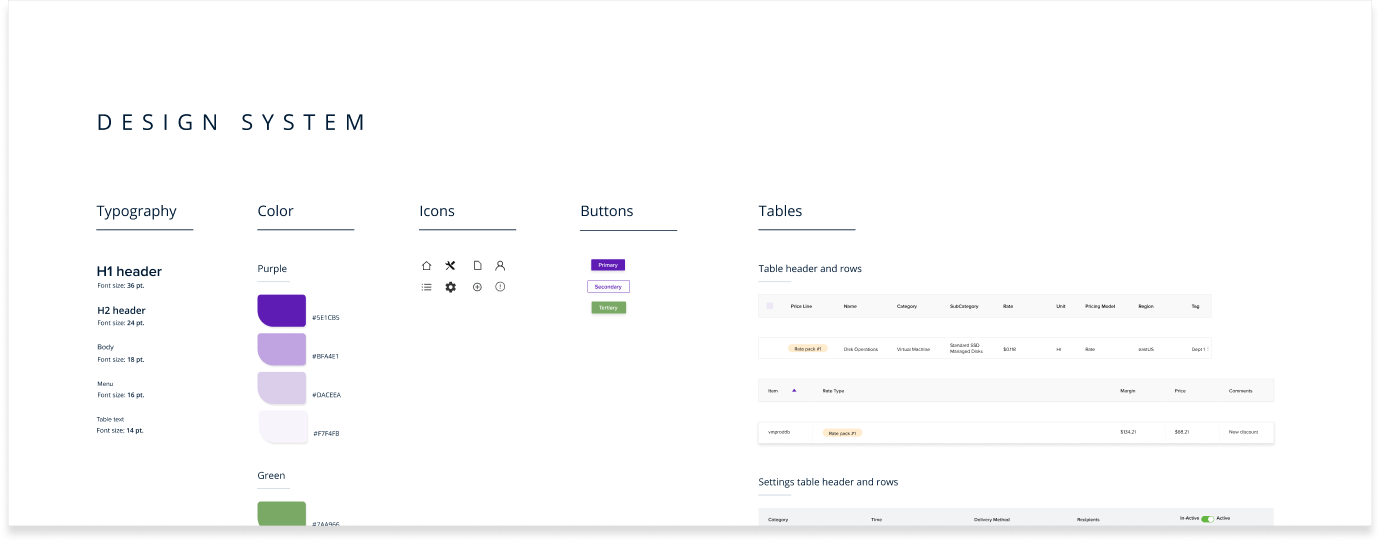
Adapting Google’s Material Design to build a brand new design system
We built a new design system for Aquila by using the Material Design system as a starting point and customizing it according to branding guidelines and interaction elements unique to the product.
FINAL SCREENS
Redesigning core usability across the login, onboarding, environment setup, user management, customer settings, and bill review flows
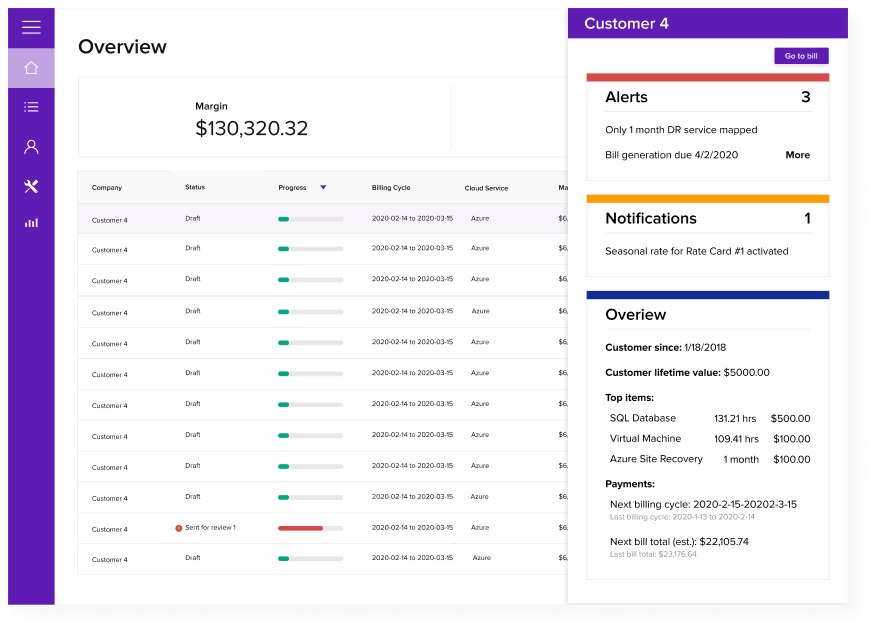
Overview of Bills
Redesigned the customer billing dashboard to replace an unclear, status-less bill list with a scannable overview featuring visual progress indicators for each customer's billing cycle.
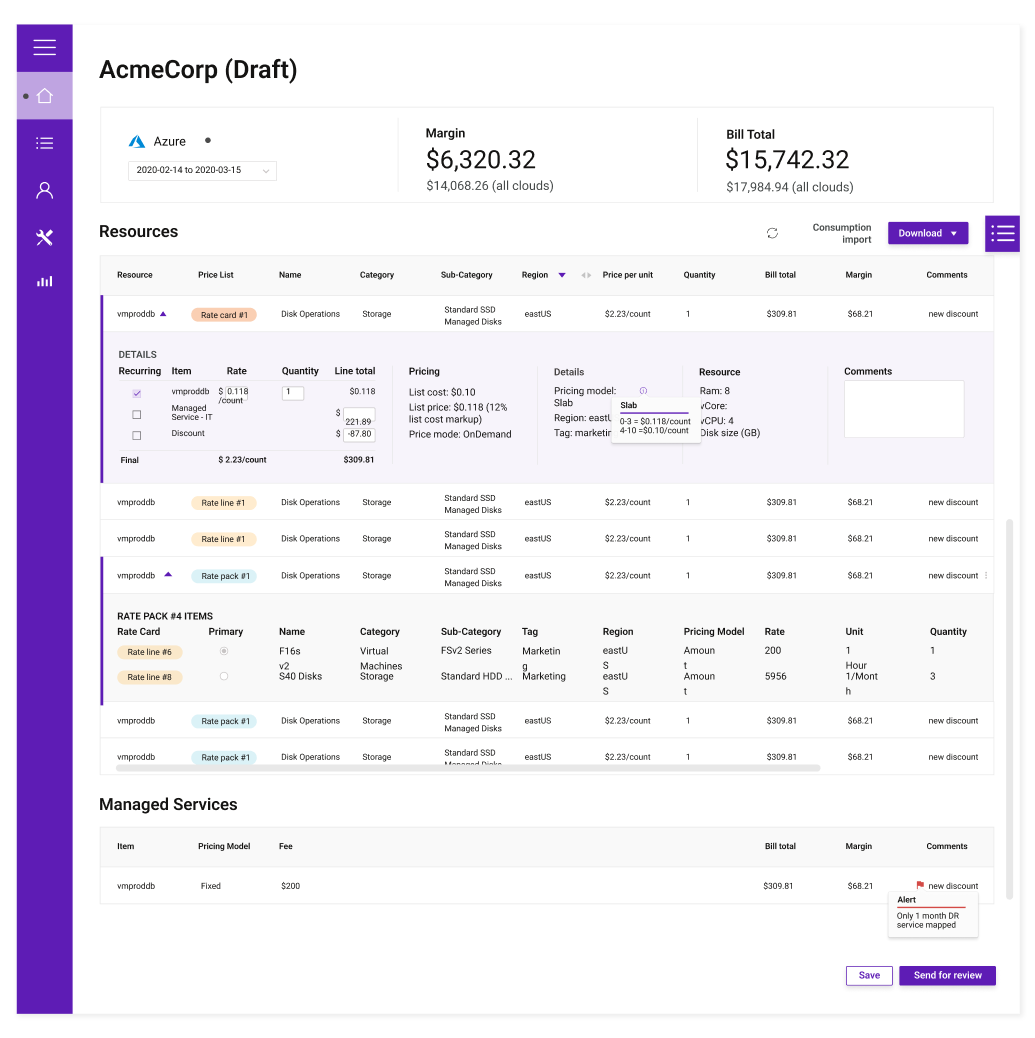
Editing a Bill
Pricing was made more transparent through clear pricing displays of every line item, color coded by item type.
RESULTS AND LEARNINGS
“Her work was instrumental in us acquiring one of our marquee customers ”
In addition to the three features shown above, my design partner and I created new screens for the entire BillOps platform. This included login, onboarding environment, user management, customer settings, and review bill screens. Due to an aggressive timeline and constantly changing product requirements, I became skilled at learning technical concepts and churning out new designs quickly.
Our role as designers went beyond improving usability - a large part of our contributions was asking the tough questions. We had joined this project after the engineers had created version 1.0 of the product, so we injected a fresh perspective to the re-design, resulting in a practically new product designed for scalability, usability, and importantly, attracting future customers. Our design was shipped by October 2020.
Curious for more? Read how I helped Aquila Clouds with their Cloud Cost and Performance dashboard.