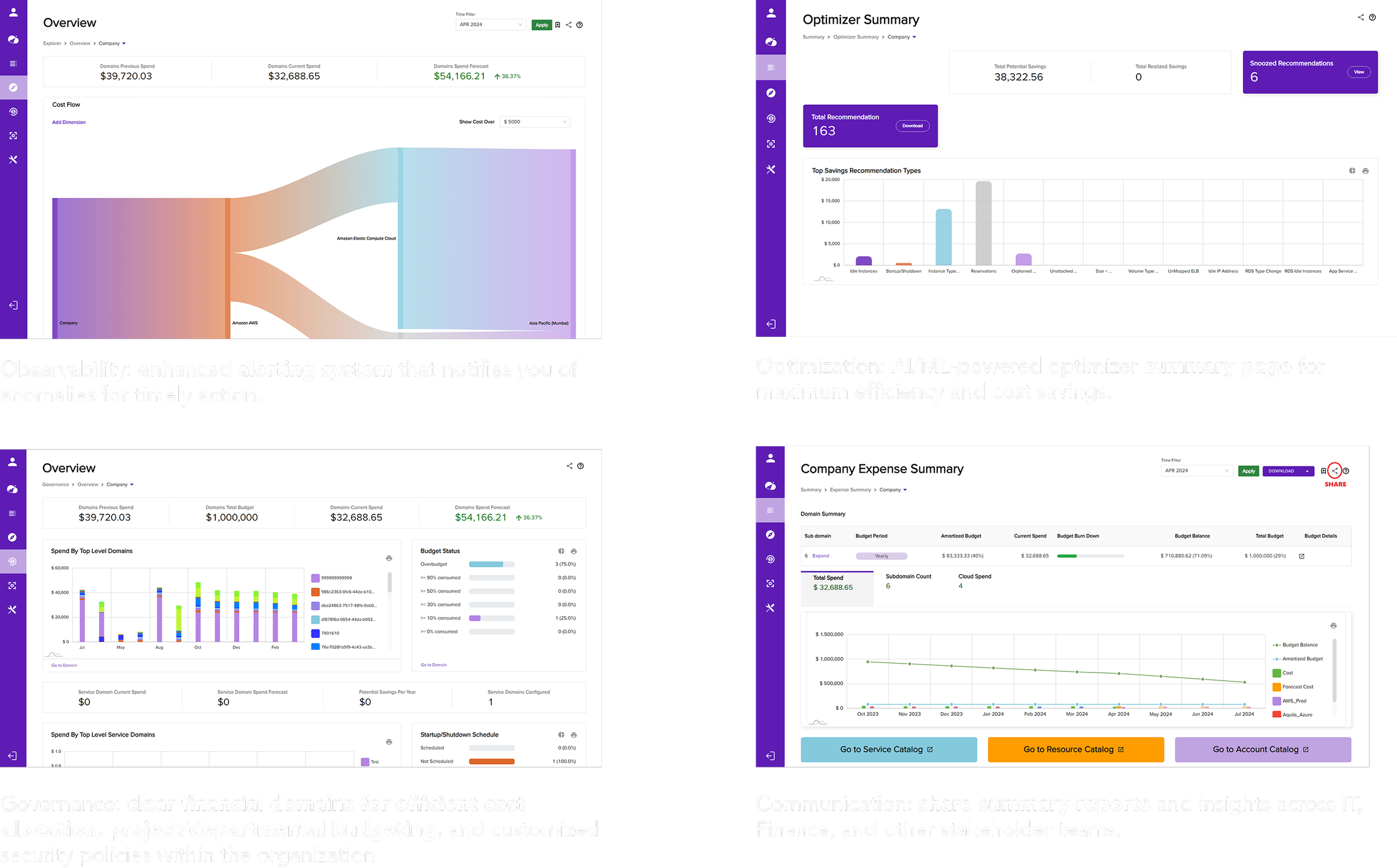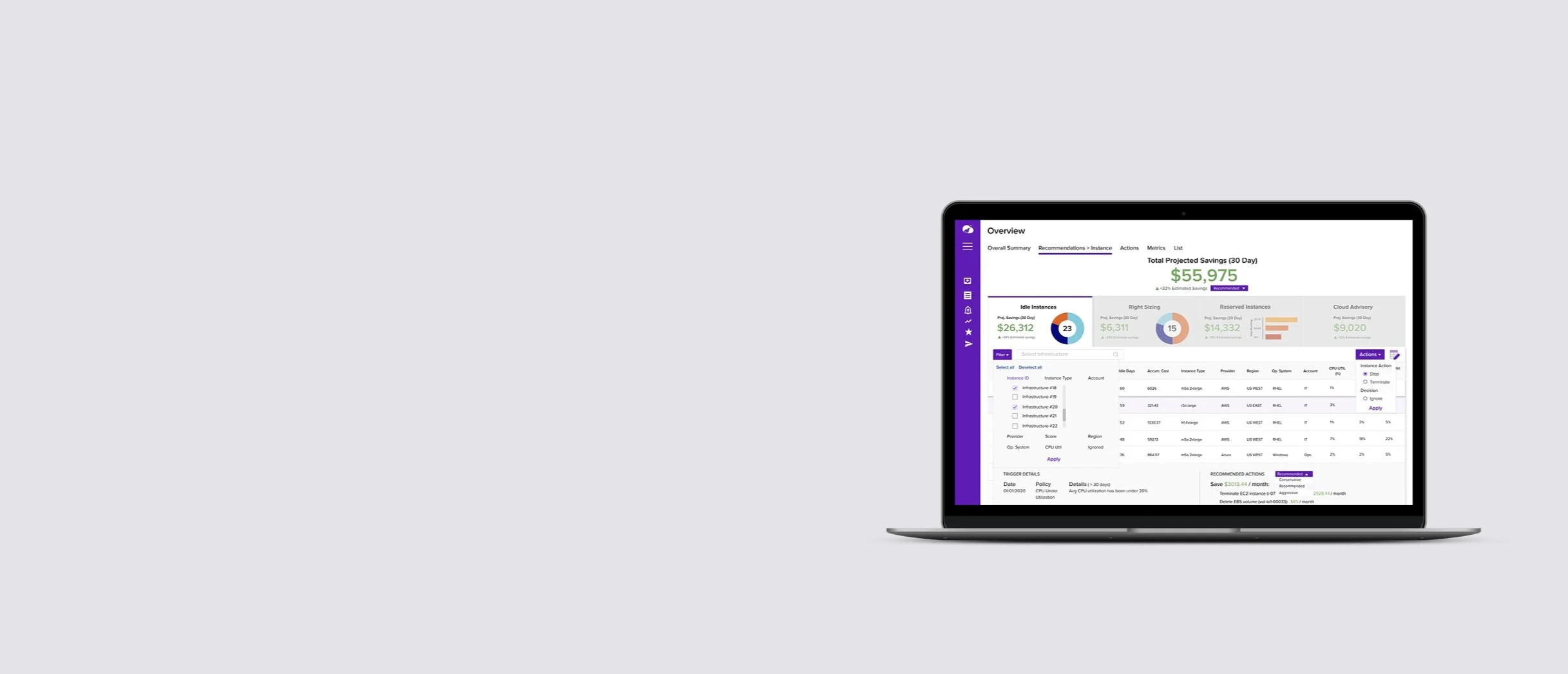

Streamlining decision-making for DevOps Managers
PRODUCT MANAGEMENT & DESIGN | WEB | B2B SAAS PLATFORM
PROJECT OVERVIEW
METHODS
Information Architecture
Feature Prioritization
User Stories
Development & Feedback
Testing
TIMELINE
6 Weeks (Jan - Feb 2020)
CLIENT TEAM
Chief Product Officer
Head of Engineering
Development team
Lead Architect
ROLE
Team Co-Lead
(6 designers)
CLIENT
Aquila Clouds is an early-stage startup that provides cloud financial management solutions designed to slash costs, streamline billing, and lock down security across a company’s cloud environment.
CHALLENGE
The client needed a massive overhaul on the usability of its Cloud Cost and Performance dashboard to meet the organization’s goal of increasing demo-to-close conversion rates.
RESULTS
Presented dashboard re-design to executive team at Aquila Clouds
In development; prototype is being used in investor pitch
Secured follow-on contract with client for their Billing Operations software
SOLUTION
A dashboard that aligns with the DevOps manager’s workflow
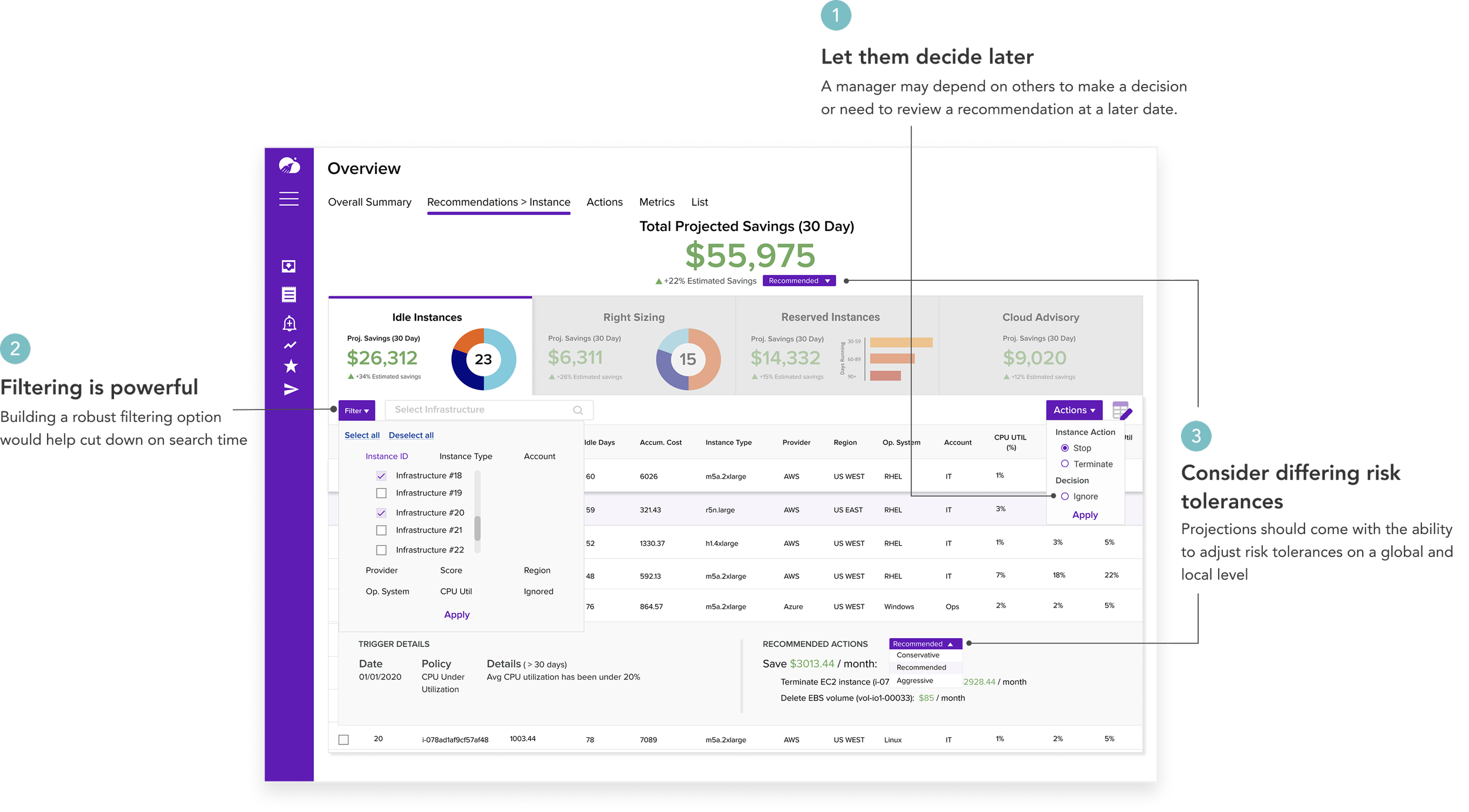
By prioritizing and adding hierarchy to important information, as well as adding CTA’s that allow for customizability and action, DevOps managers can optimize cloud usage more efficiently.
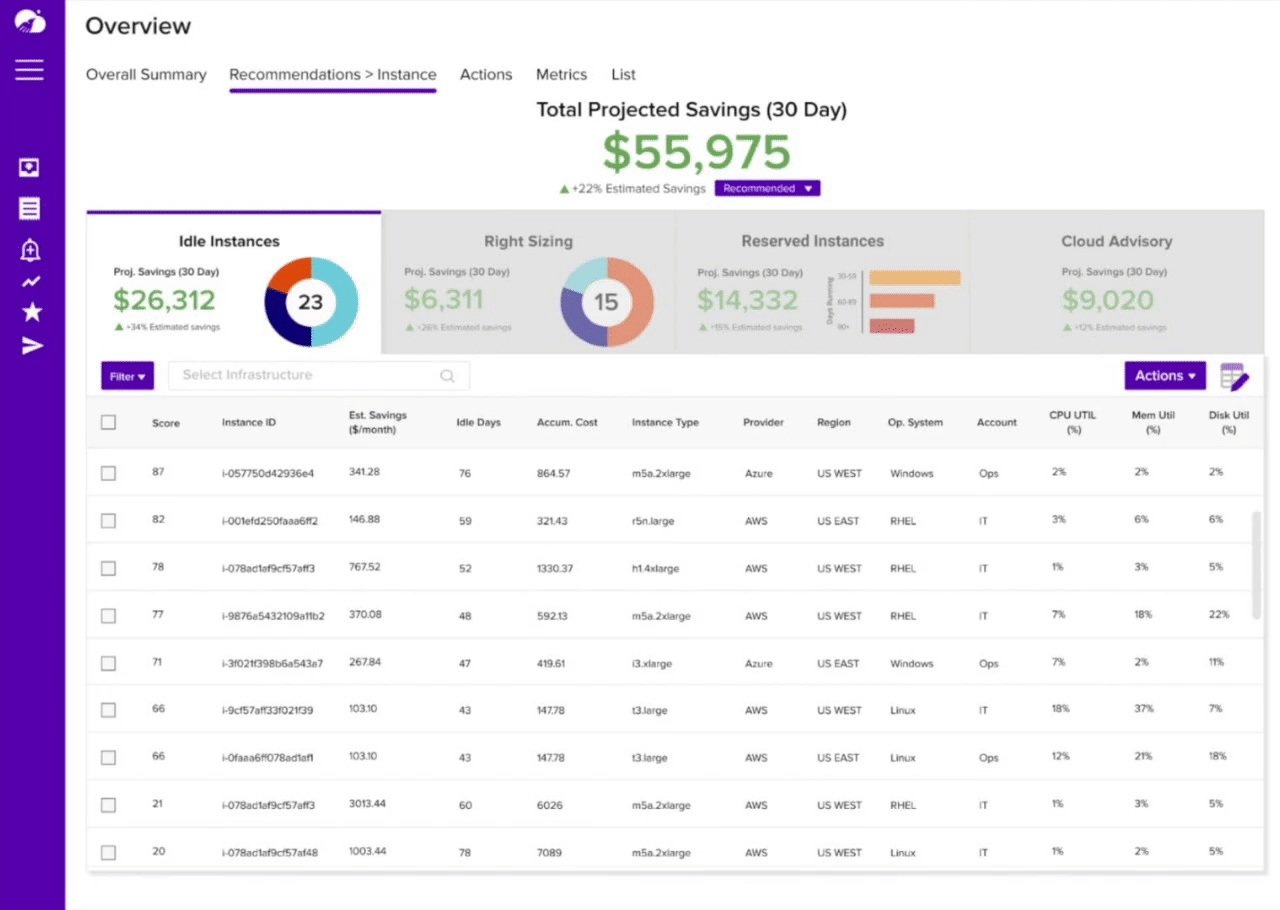
Focused on the goal
Used hierarchy to refocus user on goal of increasing savings, with leading metrics below in tabs
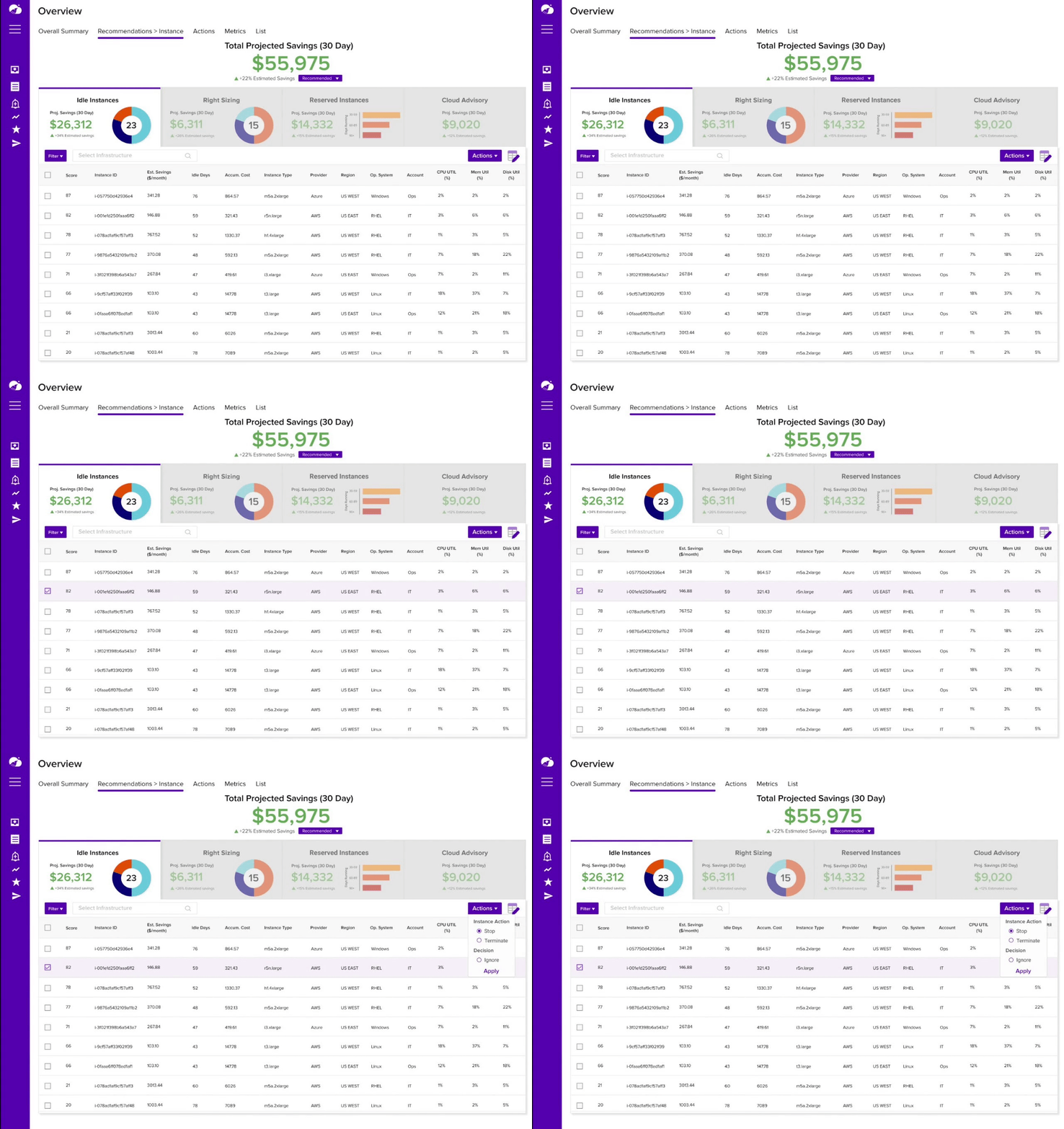
Action-oriented
Included next steps in form of CTA’s directly on dashboard to prompt action
Customizable features
Table and time settings are customizable to meet the unique needs of an organization
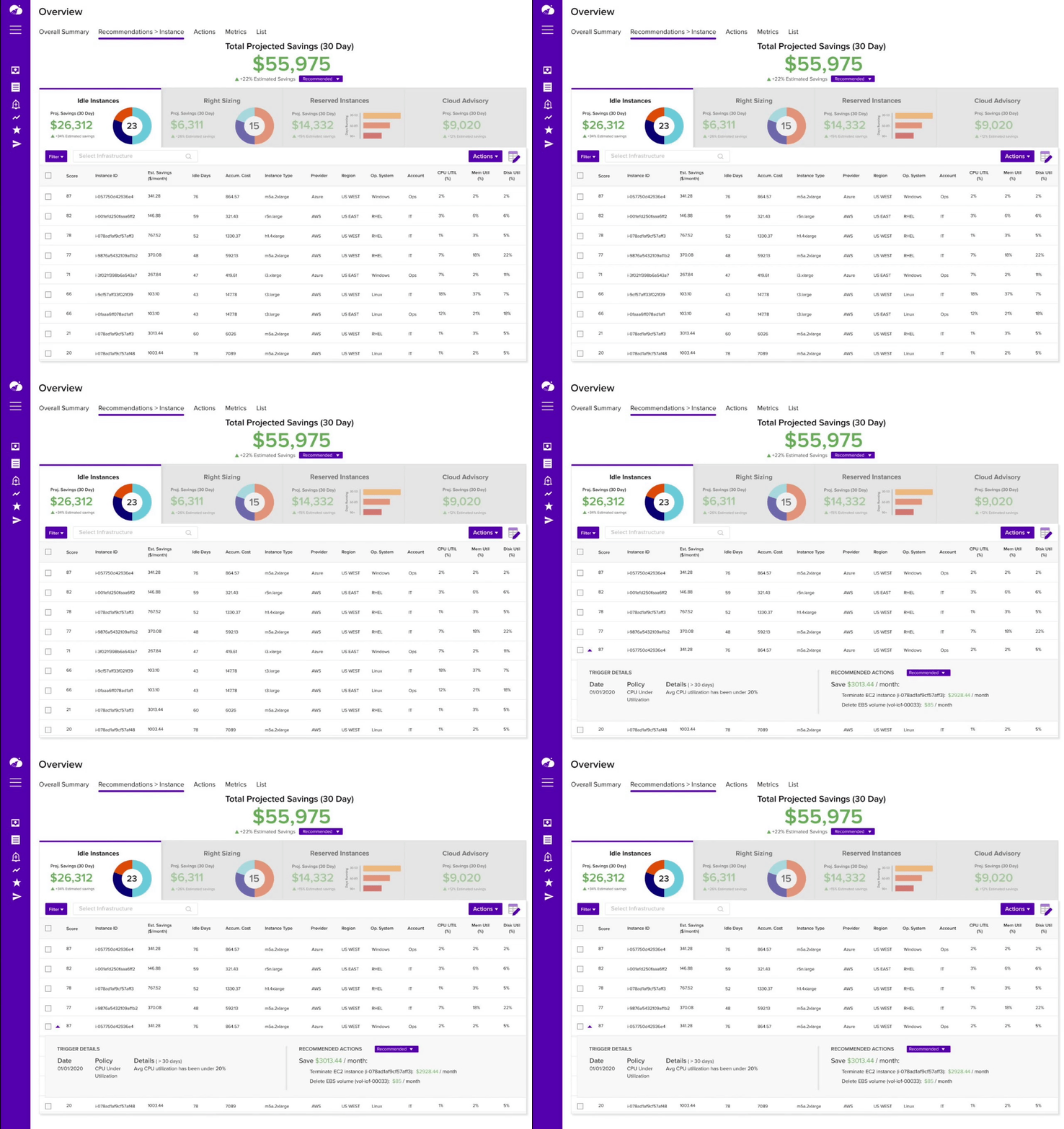
Prioritized information
High level information shown by default, with option to drill down per row to inform decision-making
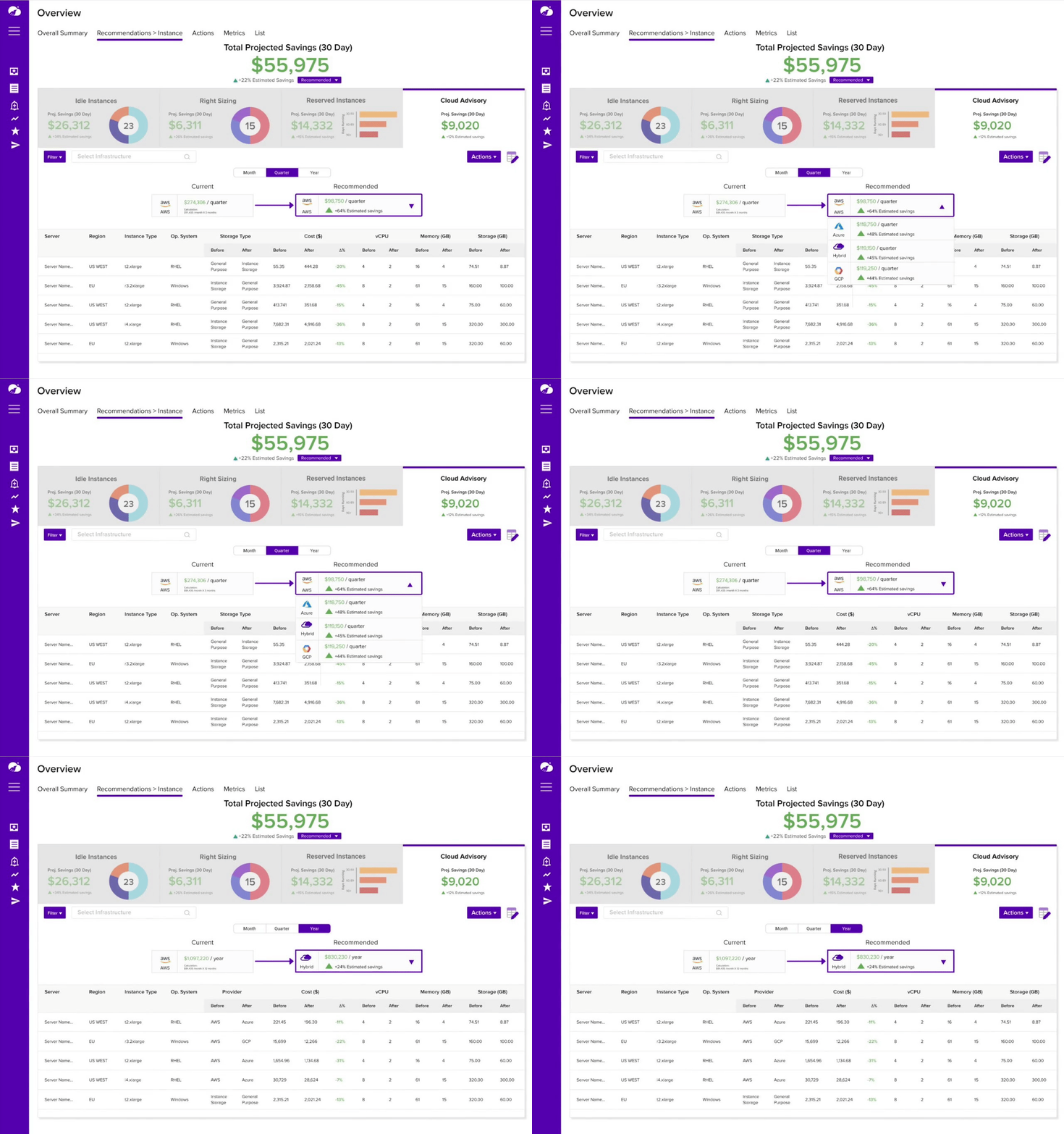
EXISTING PRODUCT
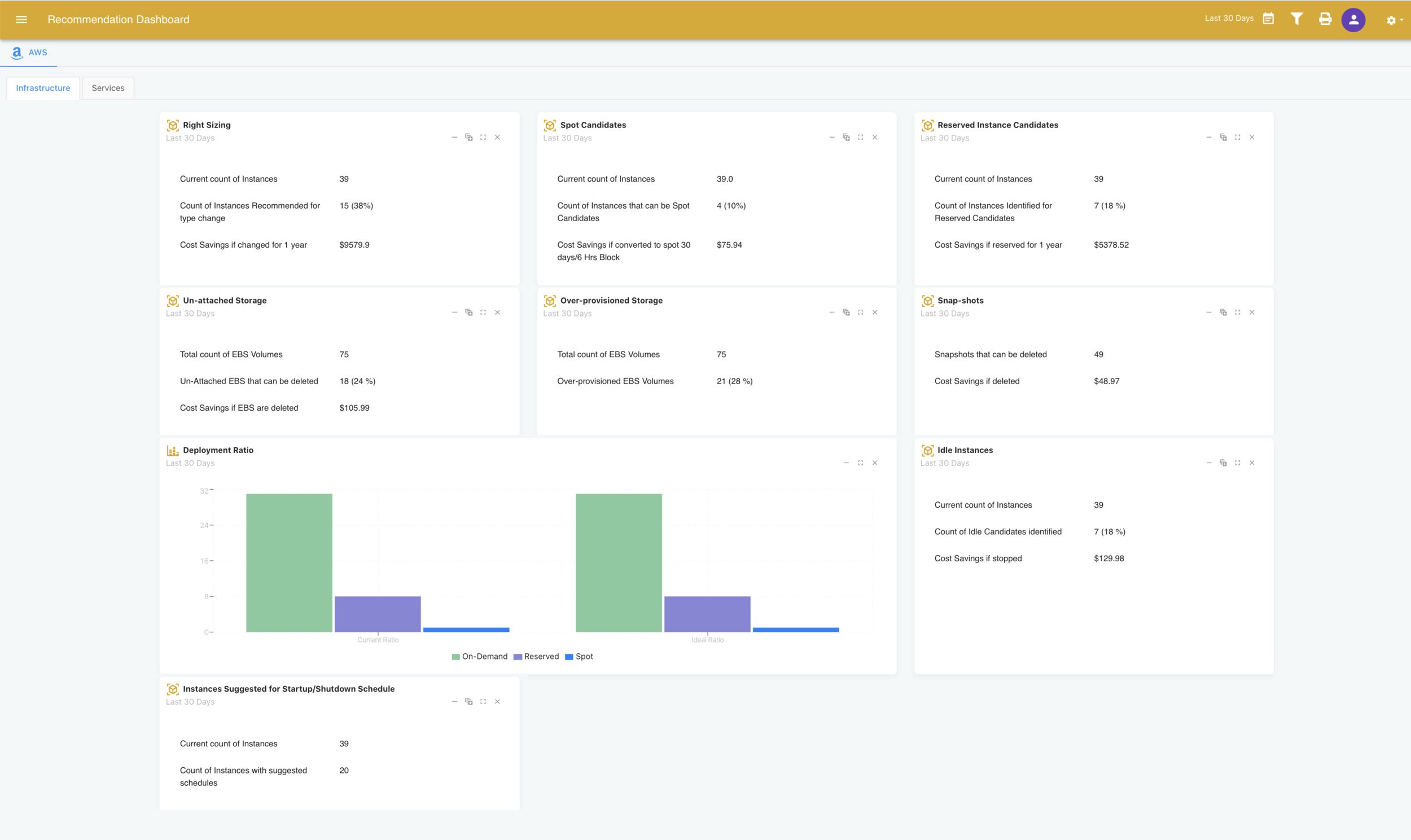
A confusing user interface leading to lost sales opportunities
Though there was overall positive feedback about the Aquila multi-cloud cost and performance management platform, potential customers were hesitant to close as they found much of the user interface confusing and showing lagging metrics rather than leading metrics.
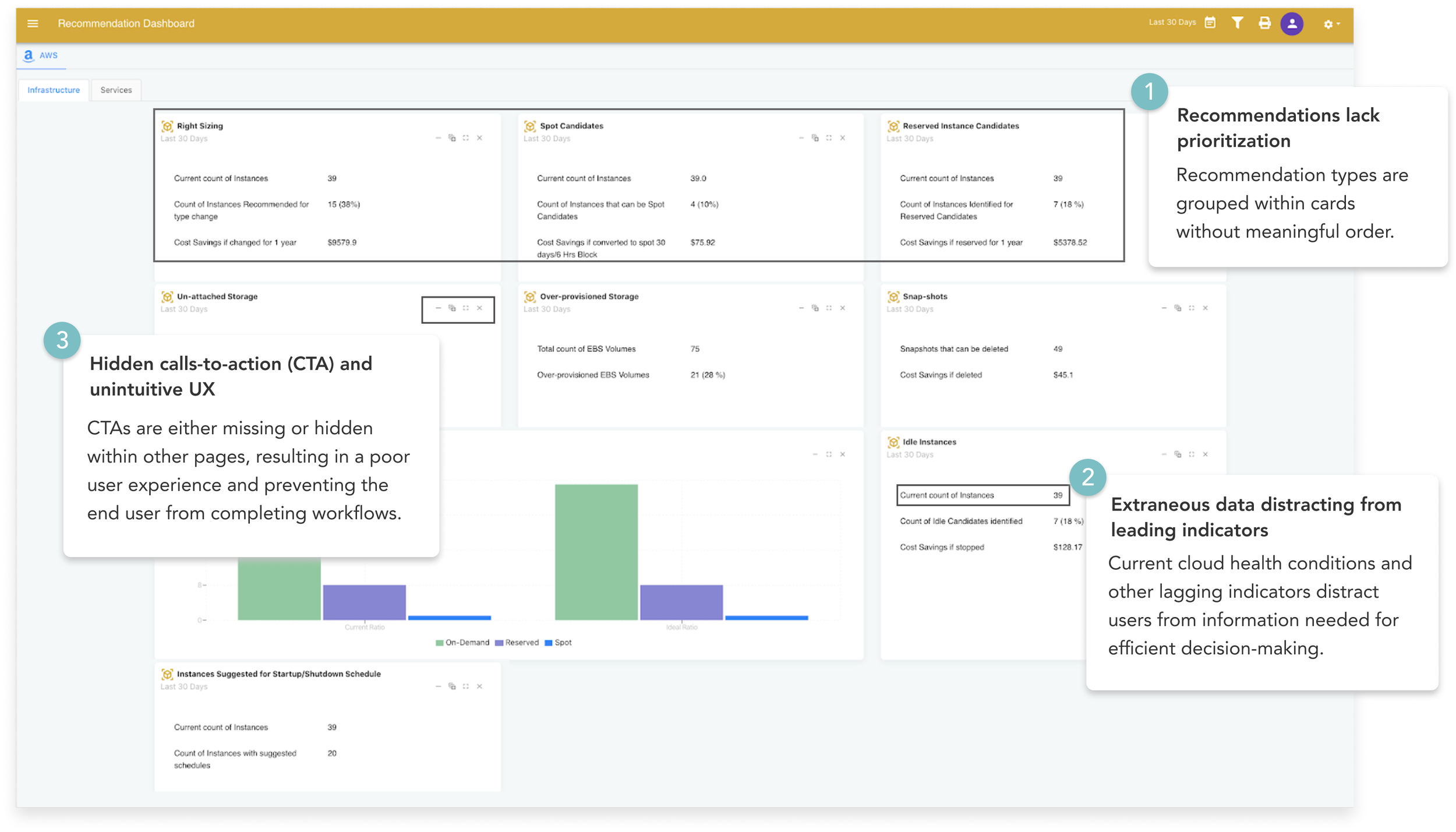
Cloud Cost and Performance Dashboard
INITIAL ASK
“I like the product but it’s not something I want to look at all day.”
Customers liked the product in customer demos but weren’t converting to trial. When the client came to us, they wanted us to make the interface more “visually appealing.” The ultimate KPI goal was to raise demo-to-close conversion rates.
TECHNICAL RESEARCH
Looking through multiple stakeholder lenses
I wanted to make sure we were solving the right problem. Was the problem in fact that the interface was hard to look at, or was there a more functional issue?
Without the technical knowledge of cloud platforms, I had to get smart fast. I interviewed 8 software engineers (2 in DevOps roles), signed up for 3 competitor demos, conducted UX audits on cloud computing dashboards, and looked at comparative industries for dashboard design inspiration.
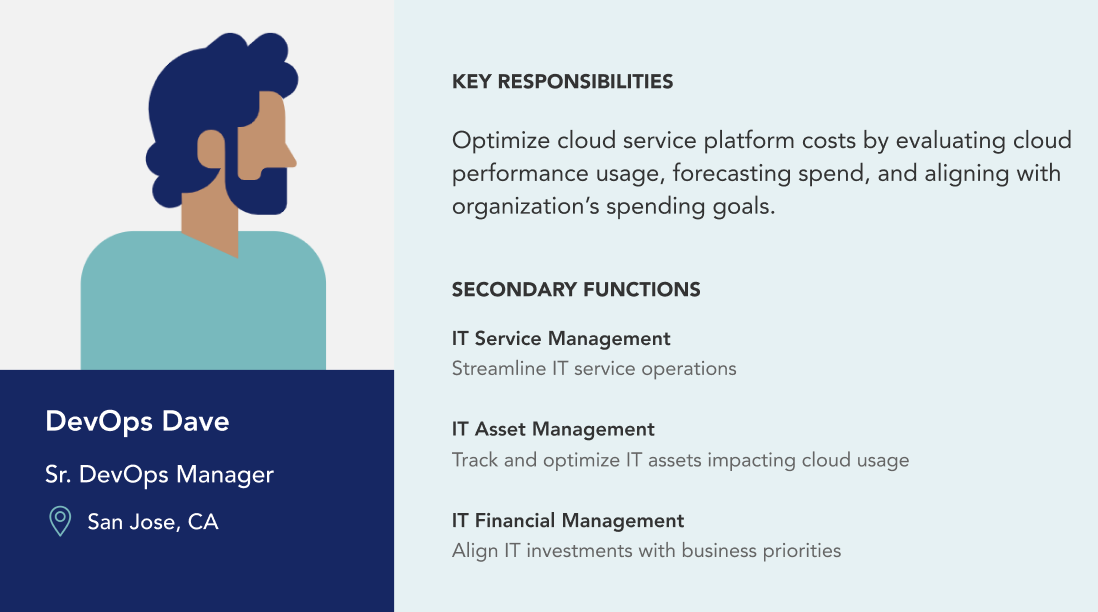
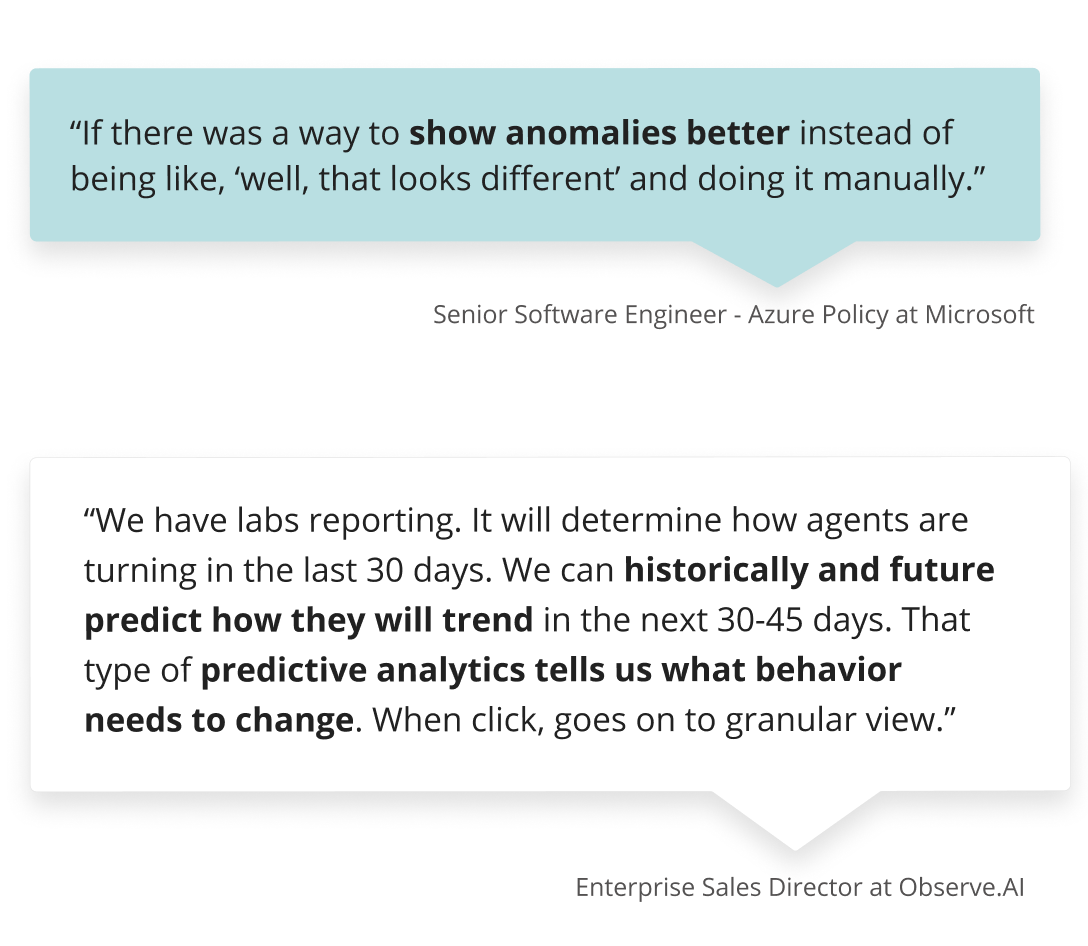
Primary Research: Focus Group
Sr. Software Engineer - Azure Policy @ Microsoft
Principal Enterprise Architect @ Houghton Mifflin Harcourt
DevOps Engineer @ Medrio
Enterprise Sales Director @ Observe.AI
Software Engineer @ Google
Secondary Research

Competitors
Demos showed that some competitors default to front loading the user with too much technical detail, while others add unnecessary friction for users to act on a recommendation.

Cloud Computing Services
Auditing various cloud dashboards and documentation taught us the technical jargon and what metrics are important for a DevOps engineer.

Comparative: Finance
Budgeting and stock dashboards demonstrated best practices for showing relationship between leading and lagging metrics, as well as separating high-level and detailed information.
RESCOPE
A surprise product pivot!
After researching the current competitor offerings, we realized that the client wasn’t facing low demo-to-close conversion rates because the interface was visually unappealing, but rather that their key features were not obvious or usable. I led conversations with the Chief Product Officer and convinced him to consider a re-scope by sharing insights we had gathered from our primary and secondary research. Then, we proposed the following:
How might we deliver powerful, actionable recommendations to DevOps Managers so that they make data-driven decisions with confidence?
DESIGN PROCESS
Partnering with domain experts to get from the bare minimum to a delightfully useful product
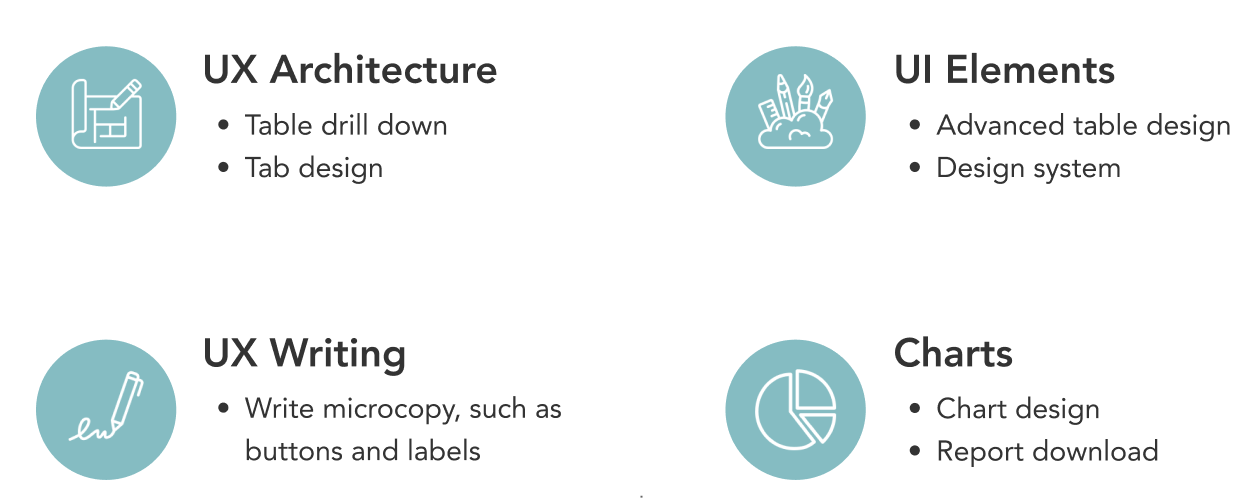
With only 4 weeks left for the client engagement, I had to organize my design team effectively. I used a divide and conquer approach, identifying the strengths of each team member and giving each person a sense of ownership over their domain. The four areas I identified and assigned each member to were the following:
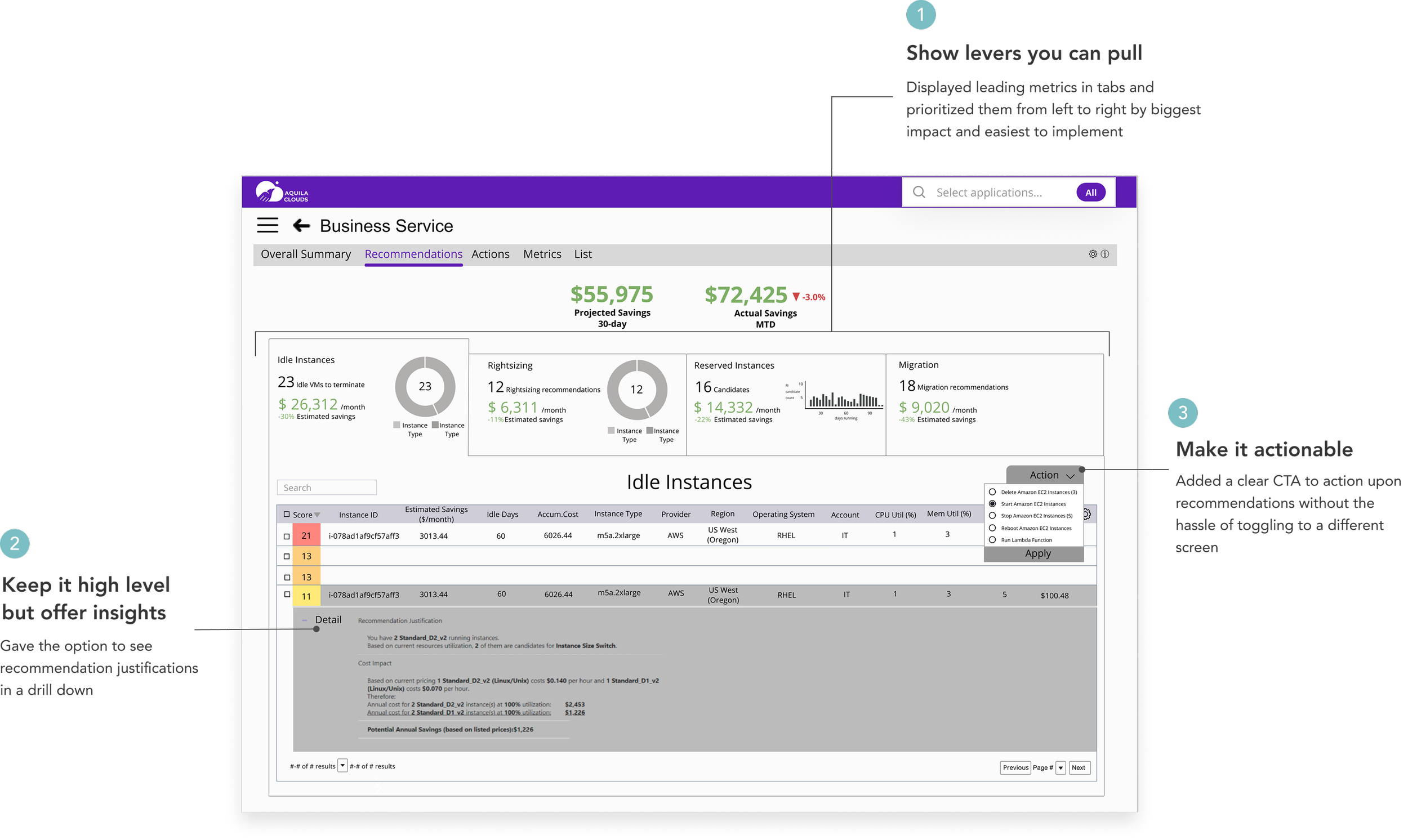
Iteration 1: Getting the content right
Getting the information right took priority at this stage. A wireframe was used to validate the information and key actions with a former Infrastructure and DevOps Senior Director.
Iteration 2: Getting the pieces together
In this first hi fi version, I focused on testing the usability of the dashboard with a Senior Engineering Manager.
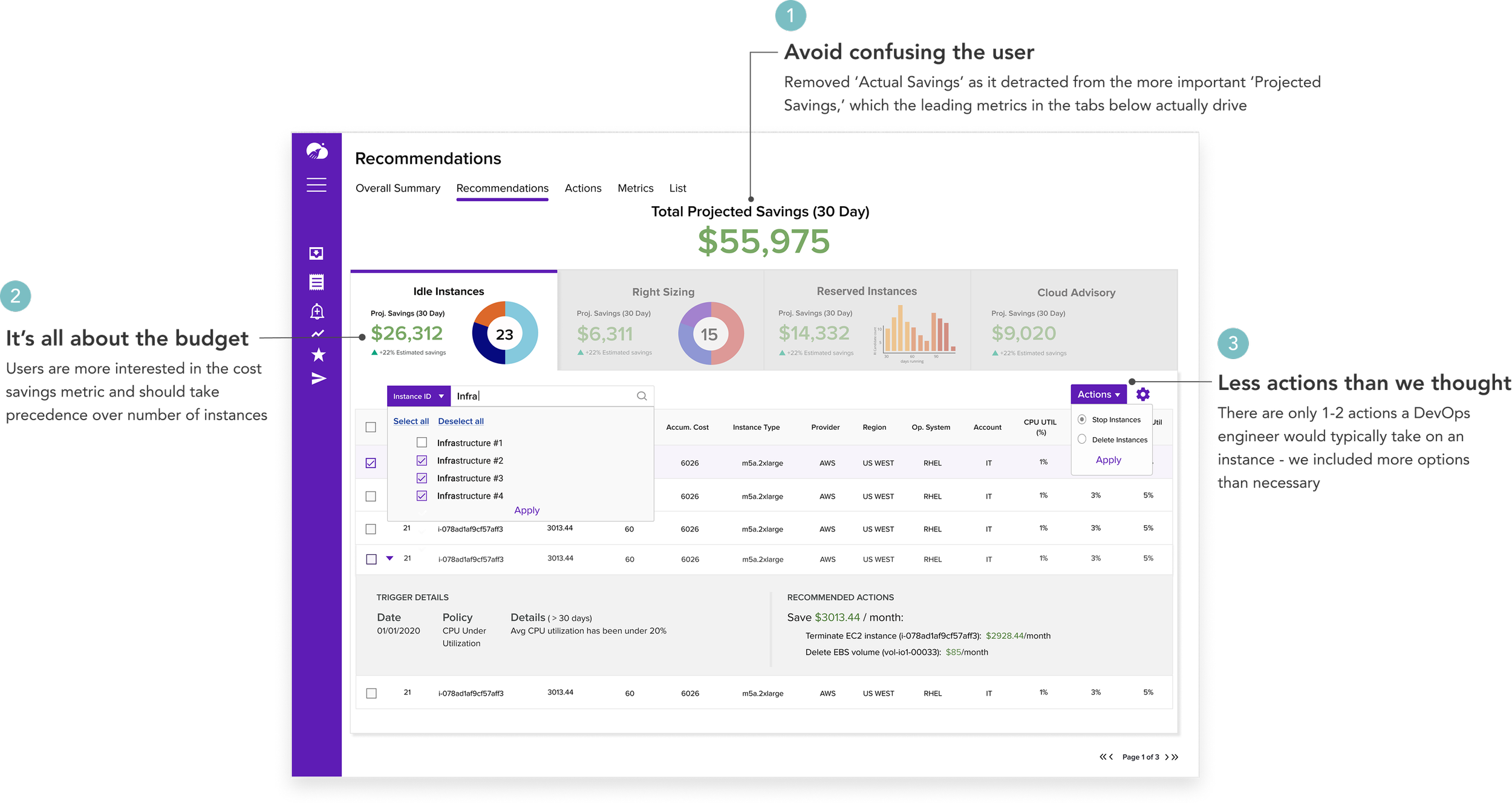
Iteration 3: Getting customers to close
I implemented alternative use cases as suggested by the Senior Engineering Manager and fleshed out the table functionalities, as these features would help drive value to prospective customers.
USER STORIES & FEATURE PRIORITIZATION
Crystallizing our thoughts to convince key stakeholders
I wanted to crystallize these changes through writing user stories and prioritizing them. This would help convince product and engineering teams of our proposed changes, and ensure a smoother developer handoff. A few epics and user stories I wrote were:
Epic: Cloud Cost Optimization
As a cloud account manager, I want to see a detailed breakdown of cloud costs by resource type, region, and project, so that I can identify high-cost resources and take steps to optimize spending.
Epic: Actionable Recommendations
As a DevOps engineer, I want to see a list of recommendations prioritized by savings impact so that I can efficiently drive cost savings
Epic: Reporting and Analytics
As a DevOps Engineer, I want to be able to drill down into the details of each recommendation so that I can verify the data myself.
Epic: Budgeting and Forecasting
As a CFO, I want to forecast cloud spending for the next quarter based on historical data, So that I can allocate resources efficiently across departments.
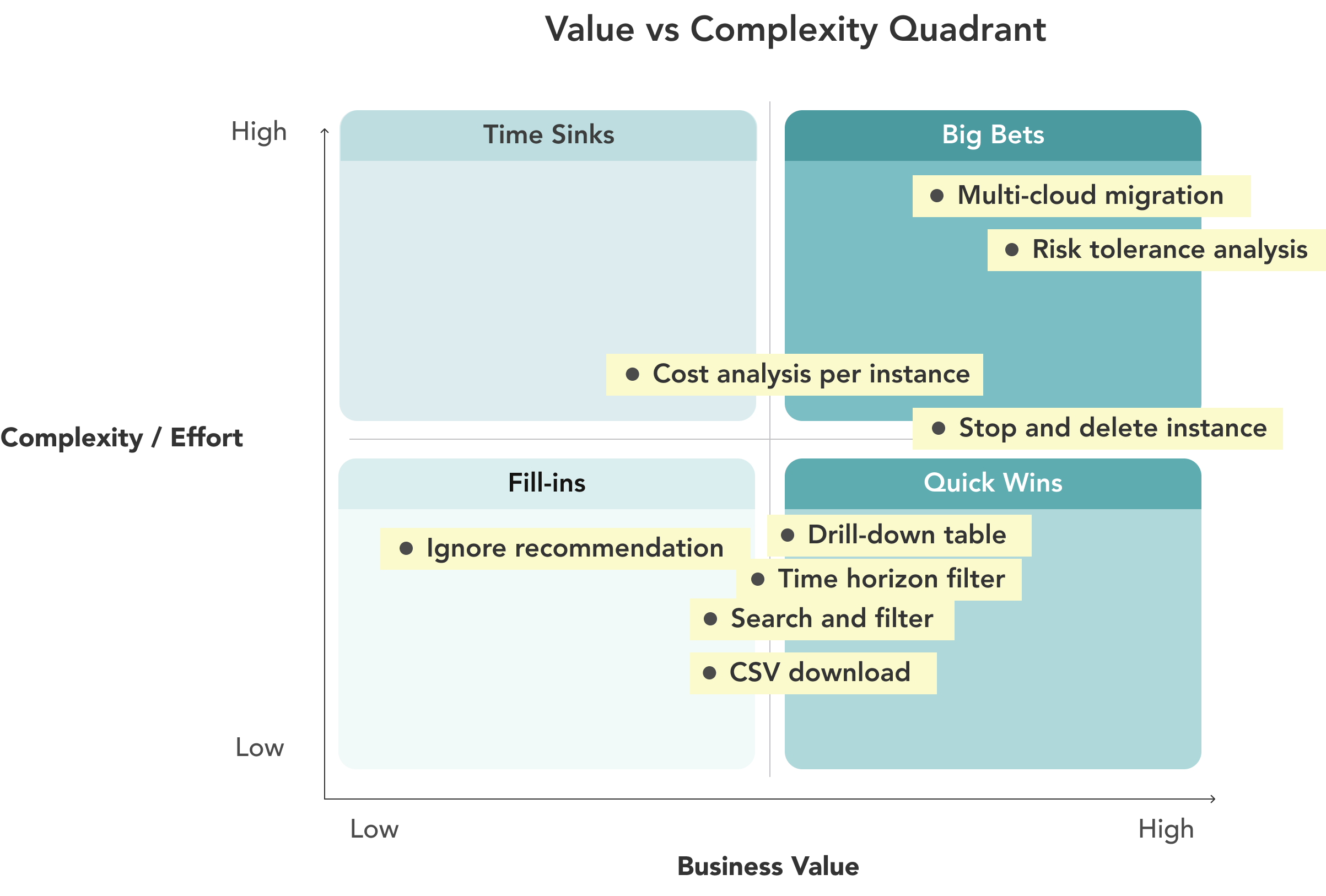
I prioritized features based on a Value vs Complexity Quadrant, which helped appropriately scope work for the engineering team:
FINAL PROTOTYPE
A dynamic dashboard that finally understands the DevOps Manager
Aquila Clouds saw missed sales opportunities because its Cloud Cost and Performance dashboard insights were hidden behind a confusing interface. By leading a team of designers and taking on product management responsibilities on behalf of the CPO, I was able to create a demo for a more dynamic dashboard for DevOps professionals. Several advantages include:
Helping users achieve savings goals through focusing on and prioritizing leading indicators
Streamlining decision-making by showing important information upfront with an option to drill down for more
Improving user’s workflows through clear and immediate calls-to-actions that impact cost savings
Including features like cloud migration that push the product above the rest in the marketplace
Before
After
RESULTS & NEXT STEPS
The revamped dashboard made an impact on investors, customers, and of course, Aquila Clouds:
Investors: The dashboard was such a hit, Aquila Clouds wanted to show the new demo to potential investors the next day
Customers: The prototype became the gold standard for customer demos -- Aquila Clouds closed a deal with a major player in the Asia Pacific Region
Client (Aquila Clouds): The client was so impressed by our efforts going beyond simple UI rework that he wanted to re-engage my services for their Cloud Billing Solution.
Words directly from the CPO:
"Her work was instrumental in us acquiring one of our marquee customers"
"Debbie's design work inspires my whole Engineering team on multiple levels. When our team scratches our head on how to present a certain workflow, Debbie comes up with intuitive UI solutions for us. Highly recommend Debbie for any design work, not mentioning her outstanding project management skills and communications skills. I will hire her in a heartbeat."
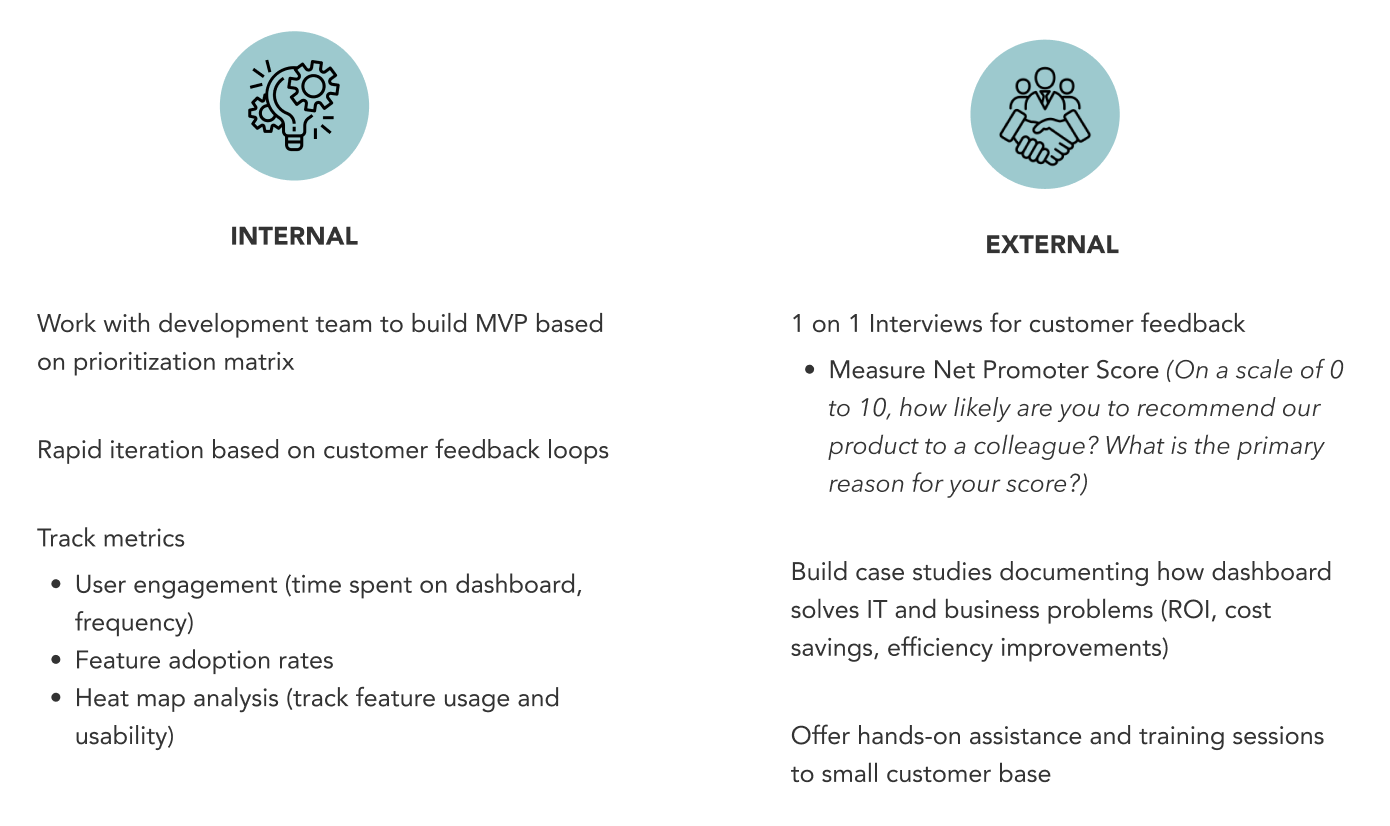
Of course, the work doesn’t stop there. Here would be my plan if I continued on this project further:
UPDATE AS OF FEBRUARY 2025
Aquila Clouds has since expanded its feature offerings and customer base from 2 to 60+ global customers based on the MVP, design system, and customer research delivered